Choosing a dependable Universal Ac Power Adapter supplier requires more than comparing prices or browsing product catalogs. This guide introduces ten leading suppliers serving international markets, focusing on engineering capability, product consistency, certifications, customization, and after-sales support. These factors matter when an adapter powers a retail terminal, medical monitor, industrial controller, or home networking device.
The evaluation considers output voltage stability, connector options, wattage ranges, thermal performance, safety protections, and manufacturing quality. It also examines documentation, minimum order quantities, production capacity, and communication during sampling. A supplier may offer impressive specifications, yet weak technical support can create delays during testing or mass production. Real-world fit matters.
Information is assessed through publicly available company materials, technical details, industry experience, and practical purchasing considerations. However, supplier rankings can change as product lines, certifications, and regional services develop. No supplier fits every application. Buyers should verify current approvals, efficiency requirements, warranty terms, and compatibility before placing an order.
This overview is designed for importers, OEM purchasing teams, distributors, and engineers seeking a clearer starting point. It does not treat brand recognition as proof of reliability. Instead, it connects supplier claims with the details that affect daily operation, including cable durability, enclosure quality, lead times, and replacement support. Some comparisons remain imperfect because suppliers publish information differently. That limitation deserves attention. Careful verification remains essential when selecting a Universal Ac Power Adapter partner for long-term supply.
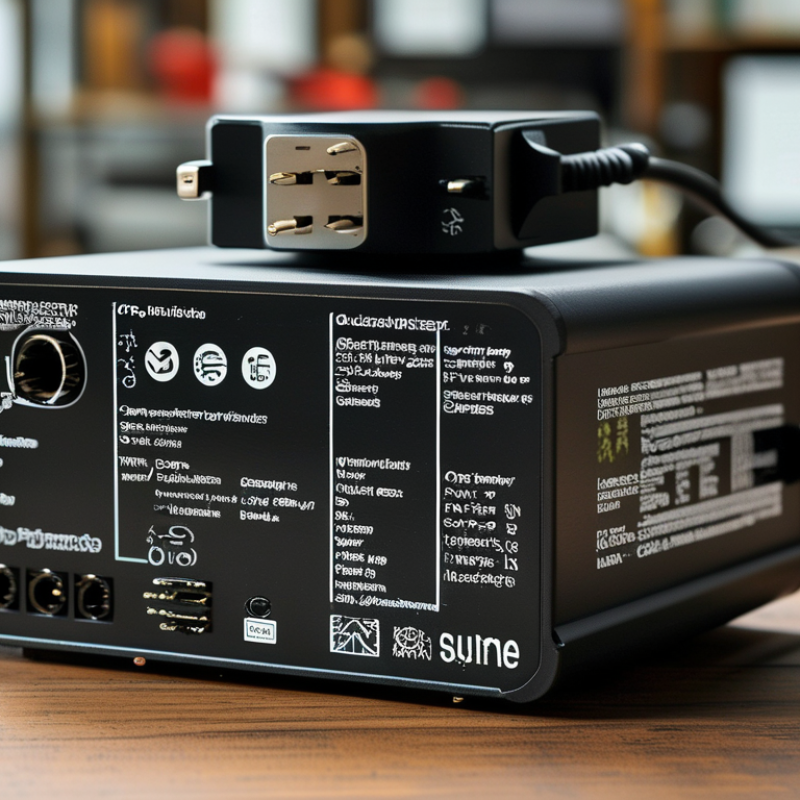
Global Market Overview of Universal AC Power Adapter Suppliers
Top 10 Universal AC Power Adapter Suppliers Worldwide
Global Market Overview of Universal AC Power Adapter Suppliers
The global universal AC power adapter market serves laptops, networking devices, instruments, and retail electronics. Leading suppliers usually compete through stable output, broad plug compatibility, and dependable production capacity. Buyers often compare the top ten by voltage range, connector options, thermal control, and delivery performance. A supplier’s laboratory data matters, but field experience matters more. Adapters may pass testing yet perform poorly beside a hot factory machine.
Asia remains a major manufacturing center, supported by dense component networks and flexible assembly lines. European suppliers often emphasize engineering documentation, energy efficiency, and consistent quality systems. North American distributors add value through inventory, technical support, and regional fulfillment. Emerging suppliers in other regions are improving quickly. Their pricing can be attractive. Their long-term consistency still needs careful review.
Procurement teams should examine sample units, load testing, failure reports, and warranty handling before signing contracts. Check whether connectors remain secure after repeated use. Ask for clear test records, traceable production batches, and realistic lead times. A low price may hide higher inspection or replacement costs. No supplier is best everywhere. Rankings can also mislead when they rely only on sales volume. In my experience, the strongest choice balances electrical performance, documented quality, responsive communication, and honest limitations. That last factor is often overlooked.
Key Standards and Specifications for Universal AC Power Adapters
Universal AC power adapters must handle different mains systems safely.
A practical specification starts with 100–240 V AC input and 50/60 Hz compatibility. Output voltage must match the device exactly. Current capacity may exceed the device requirement, but it should never fall below it. Polarity and connector dimensions also matter.
A plug that fits can still deliver the wrong polarity.
Safety depends on more than a printed label.
IEC 62368-1 addresses electrical energy hazards, fire protection, and insulation design. IEC 61558-1 adds requirements for transformer safety. For electromagnetic compatibility, EN 55032 and CISPR 32 help control conducted and radiated emissions.
The U.S. Department of Energy’s external power supply test procedure measures efficiency at 25%, 50%, 75%, and 100% load. That matters because many adapters perform well only near full load.
Energy performance also needs close inspection.
European Commission Regulation (EU) 2019/1782 sets no-load and average active-efficiency requirements for external power supplies. For lower-power units, the no-load limit can be 0.10 watts. Small losses still accumulate across offices, hotels, and charging cabinets.
In sourcing checks, I would request efficiency curves, thermal test records, EMC reports, and samples from the same production line.
One weakness remains: universal connector kits are convenient, but loose tips can create compatibility mistakes. Labels deserve a second look.
Evaluation Criteria for Comparing International Suppliers
Evaluation Criteria for Comparing International Suppliers
A reliable universal AC power adapter supplier should provide clear electrical specifications, not vague performance claims. Check input range, output stability, connector options, polarity, and rated efficiency. Request sample units and test them with different devices under light and heavy loads. Measure heat after several hours. Small details matter.
Compliance documents deserve careful review. Confirm that test reports match the exact model, factory, and revision being offered. Ask about insulation testing, surge protection, short-circuit response, and material traceability. Regional plug formats and labeling must also fit the destination market. A polished certificate alone proves little. It may be outdated.
Supplier evaluation should include production capacity, quality-control records, minimum order quantities, lead times, and warranty procedures. Ask how failed units are isolated and how corrective actions are recorded. Communication speed is useful, but technical accuracy matters more. During one sample review, a connector drawing differed from the delivered unit; that inconsistency changed the approval decision. Factory audits, video inspections, and independent testing can reduce uncertainty, although none removes it completely. Pricing should be compared with tooling, packaging, shipping, testing, and replacement costs included. A cheaper quote may become expensive after delays or unstable output.
Top 10 Universal AC Power Adapter Suppliers Worldwide: Evaluation Criteria
The chart presents a practical 100-point evaluation framework for comparing international universal AC power adapter suppliers. Key considerations include global input compatibility, safety compliance with standards such as IEC 62368-1, energy efficiency, product reliability, production capability, and international logistics support.
Top Universal AC Power Adapter Suppliers Worldwide
Top universal AC power adapter suppliers worldwide serve manufacturers, distributors, and technical buyers across many markets. Their value depends on more than low pricing. Reliable suppliers provide stable output, interchangeable plugs, clear specifications, and production records that buyers can verify.
The strongest suppliers usually support wide input ranges, multiple voltage settings, and common connector sizes. They test insulation, temperature rise, overload response, and short-circuit protection. These checks matter when an adapter runs behind a desk, inside medical equipment, or beside heat-producing machinery. Look for suppliers with documented quality systems, traceable components, and independent safety testing. Factory audits and sample testing add useful evidence before a large order.
Small details often reveal supplier quality. A durable cable should resist repeated bending near the connector. The label should show input, output, polarity, efficiency, and operating limits without guesswork. Ask about minimum order quantities, customization, lead times, replacement procedures, and regional compliance documents. Communication matters too. Slow answers can become costly delays.
No ranking is perfect. Supplier performance may change.
Buyers should compare recent samples rather than trust attractive catalogs alone. Some suppliers offer many models but weak after-sales support. Others provide excellent engineering yet lack flexible delivery options. A careful review of testing reports, packaging, warranty terms, and production capacity helps create a more dependable shortlist.
Top 10 Universal AC Power Adapter Suppliers Worldwide - Top Universal AC Power Adapter Suppliers Worldwide
| Rank |
Supplier ID |
Primary Region |
Adapter Type |
Input Range |
Output Coverage |
Maximum Power |
Efficiency Level |
Compliance Coverage |
| 1 |
Supplier 01 |
East Asia |
Desktop universal AC/DC adapter |
100–240 V AC, 50/60 Hz |
5–48 V DC, fixed and selectable |
240 W |
DOE Level VI / CoC Tier 2 |
CE, UKCA, FCC, RoHS, REACH |
| 2 |
Supplier 02 |
Southeast Asia |
Interchangeable-tip travel adapter |
100–240 V AC, 50/60 Hz |
5–24 V DC, selectable |
120 W |
DOE Level VI |
CE, FCC, RoHS, CB, RCM |
| 3 |
Supplier 03 |
North America |
Medical-grade AC/DC adapter |
90–264 V AC, 47–63 Hz |
5–36 V DC, fixed |
180 W |
CoC Tier 2 |
IEC 60601-1, CE, UL, FCC, RoHS |
| 4 |
Supplier 04 |
Western Europe |
Industrial universal adapter |
100–240 V AC, 50/60 Hz |
12–48 V DC, fixed |
300 W |
DOE Level VI / ErP |
CE, UKCA, EN 62368-1, RoHS, REACH |
| 5 |
Supplier 05 |
East Asia |
USB-C PD universal power adapter |
100–240 V AC, 50/60 Hz |
5–20 V DC, USB-C PD |
140 W |
DOE Level VI |
CE, FCC, USB-IF, RoHS, REACH |
| 6 |
Supplier 06 |
South Asia |
Consumer electronics adapter |
100–240 V AC, 50/60 Hz |
5–24 V DC, fixed and selectable |
96 W |
DOE Level VI |
BIS, CE, FCC, RoHS, CB |
| 7 |
Supplier 07 |
Eastern Europe |
LED and signage power adapter |
100–240 V AC, 50/60 Hz |
12–24 V DC, regulated |
360 W |
ErP compliant |
CE, EMC, LVD, RoHS, REACH |
| 8 |
Supplier 08 |
North America |
Network and telecom adapter |
90–264 V AC, 47–63 Hz |
12–54 V DC, fixed |
240 W |
DOE Level VI |
UL, FCC, ICES, CE, RoHS |
| 9 |
Supplier 09 |
Southeast Asia |
OEM/ODM universal adapter |
100–240 V AC, 50/60 Hz |
5–48 V DC, configurable |
240 W |
DOE Level VI |
CE, FCC, CB, RoHS, REACH |
| 10 |
Supplier 10 |
Western Europe |
Low-power wall-plug adapter |
100–240 V AC, 50/60 Hz |
5–15 V DC, fixed |
45 W |
ErP / CoC Tier 2 |
CE, UKCA, EMC, LVD, RoHS |
Note: Supplier identifiers are intentionally anonymized. Technical values represent commonly published specification ranges for internationally marketed universal AC power adapter products; certification requirements vary by model, destination market, and final configuration.
Applications, Compliance, and Supply Chain Considerations
Universal AC power adapters support point-of-sale terminals, networking equipment, medical instruments, and industrial controls. Their interchangeable plugs simplify deployment across multiple regions. However, one adapter rarely fits every operating condition. Voltage range, connector polarity, wattage, enclosure size, and cable length must match the equipment precisely.
When comparing the top 10 universal AC power adapter suppliers worldwide, compliance deserves practical attention. Request current test reports, declarations, factory quality records, and regional approval evidence. Relevant requirements may include IEC 62368-1, electromagnetic compatibility rules, energy-efficiency limits, and material restrictions such as RoHS or REACH. Documents alone are not enough. A sample should be tested under low input voltage, maximum load, heat exposure, and repeated plug insertion. Small details matter.
Supply chain reviews should examine production capacity, minimum order quantities, lead-time history, and component traceability. Ask how suppliers handle connector changes, factory transfers, and discontinued components. Dual sourcing can reduce disruption, but it may create inconsistent output. That risk is often underestimated. I would also check packaging protection, labeling accuracy, and corrective-action records before approving volume orders. A supplier may offer an attractive price, yet unstable lead times can cost more than the adapter itself. Some evaluations still rely too heavily on a single sample, which deserves reconsideration.
Conclusion
This article presents a practical overview of the global market for Universal Ac Power Adapter suppliers, focusing on the factors that shape product quality, pricing, availability, and long-term reliability. It explains key technical standards and specifications, including input and output voltage ranges, connector compatibility, power ratings, energy efficiency, safety protection, and regional certification requirements. These details help buyers identify adapters that can support different devices and operating environments while reducing compatibility and performance risks.
The article also introduces evaluation criteria for comparing international suppliers, such as manufacturing capability, quality control, customization services, production capacity, delivery performance, technical support, and supply chain stability. It reviews leading supplier categories worldwide without focusing on specific brands, and discusses common applications in consumer electronics, office equipment, industrial systems, travel accessories, and replacement markets. Finally, it highlights the importance of compliance documentation, responsible sourcing, inventory planning, logistics coordination, and after-sales support when selecting a dependable Universal Ac Power Adapter supplier for global distribution.

 Tech Adapter